
In recent years, there has been a noticeable surge in the number of parents choosing private preschools. The growing interest is fueled by the desire to provide children with the best possible start in their educational journey. Understanding the reasons behind this trend is crucial for educators, parents, and policymakers alike.
Private preschools offer unique benefits that often align with familial goals and educational aspirations. This article will delve into the various facets of private preschool education, uncovering why they are increasingly favored by parents.
What Are the Benefits of Private Preschools?
Smaller Class Sizes
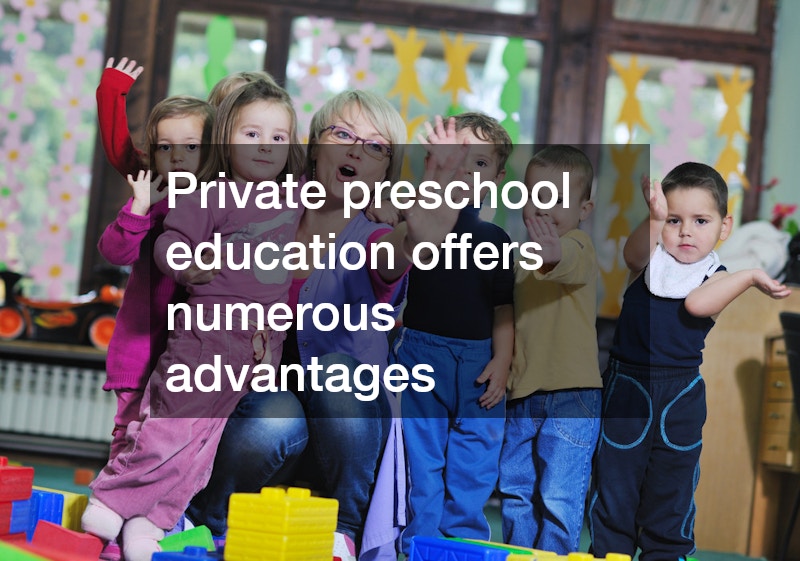
One of the standout features of private preschools is their ability to maintain smaller class sizes. Unlike their public counterparts, which often struggle with overcrowding, private institutions prioritize individual attention. Smaller classes enable teachers to tailor instruction to the specific needs of each child, fostering a more personalized learning experience. This environment is particularly beneficial for young learners, whose developmental needs and curiosity can be effectively nurtured. Moreover, it promotes a strong student-teacher relationship, which is foundational for early academic success.
Enhanced Curriculum
The curriculum offered at private preschools frequently exceeds standard educational requirements. These institutions have the flexibility to incorporate innovative teaching methods and diverse subjects into their programs. By focusing on a broad range of topics, private preschools help develop well-rounded individuals from an early age. This enhanced curriculum not only includes traditional academic subjects but also integrates art, music, and cultural studies. Such an enriching environment prepares children for future academic challenges and fosters a lifelong love of learning.
Qualified Educators
Private preschools often boast highly qualified educators who bring a wealth of experience and expertise to the classroom. These professionals are typically required to have specialized training in early childhood education, ensuring they are well-equipped to support young learners. The commitment to hiring top-tier educators speaks to the quality of education provided at these institutions. By fostering an environment where skilled educators thrive, private preschools ensure that each child receives a high-quality educational experience. This focus on teacher quality directly contributes to the positive outcomes observed in students who attend private preschools.
Why Do Parents Prefer Private Preschools?
Personalized Learning Environment
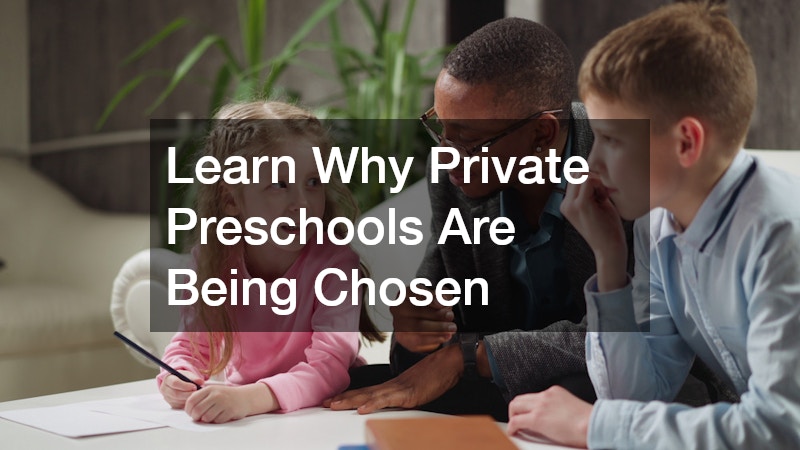
Parents are increasingly drawn to the personalized learning environment that private preschools offer. In these settings, individual learning styles and needs are recognized and accommodated, leading to a more customized educational experience. Teachers are often afforded the flexibility to adapt lesson plans to suit the interests and pace of each student. This tailored approach can be particularly effective in fostering engagement and academic enthusiasm among young learners. Consequently, many parents believe their children are more likely to thrive in a private preschool setting.
Community and Values
Many families find that private preschools align closely with their community values and educational preferences. These institutions often foster a familial spirit and create a strong sense of community among families. Activities and philosophies that reflect shared values can make families feel more comfortable and involved. Moreover, these schools sometimes incorporate moral and ethical learning through their curriculum, aligning with the values parents wish to instill at home. As such, shared community and values become defining characteristics of the private preschool experience.
Extracurricular Opportunities
The variety of extracurricular opportunities available at private preschools is another reason for parental preference. These activities range from arts and sports to language and science clubs, providing children with well-rounded developmental experiences. Such diverse offerings support not only academic growth but also social, physical, and emotional development. Parents appreciate the emphasis on holistic education, which nurtures varied interests and talents in young children. Therefore, the availability of extensive extracurricular programs adds significant value to private preschool education.
What Are the Long-term Impacts of Attending Private Preschool?
Academic Success
Studies suggest that attending private preschool can positively influence future academic success. Children who begin their education in enriched environments often develop strong foundational skills that benefit them throughout their educational journey. This head start can translate into better performance in later academic stages, such as elementary and high school. The focused and individualized attention received in private preschools contributes significantly to these outcomes. Consequently, many families view private preschool as a strategic investment in long-term educational achievement.
Social Development
Private preschools also play a critical role in fostering social development among young children. The smaller class sizes and tailored interactions facilitate the development of key social skills such as communication, cooperation, and empathy. In these settings, children learn to navigate social dynamics within a supportive and structured environment. Such skills are invaluable, influencing not only academic settings but also lifetime interactions. Parents value the comprehensive social education that private preschools provide, recognizing its importance for future personal and professional relationships.
Career and College readiness
A well-rounded education that begins in private preschool can also set the foundation for future career and college readiness. Early exposure to diverse subjects and critical thinking skills prepares children for the varied demands of higher education and professional life. Private preschools often focus on fostering lifelong learners who are curious, adaptive, and resilient—traits that serve them well in college and beyond. By emphasizing both academic and personal growth, private preschools equip their students with the tools needed to navigate complex academic and career trajectories. Families appreciate the foresight in preparing children not just for school, but for life.
The choice of private preschool education offers numerous advantages that appeal to a wide range of families. From personalized learning environments to long-term academic benefits, private preschools provide an educational experience that is both comprehensive and adaptable. While the cost of attendance can be a consideration, the quality of education often offsets these concerns. Parents are drawn to the alignment of community, values, and academic opportunities that private preschools uniquely offer. Ultimately, considering private preschool education can be instrumental in shaping children’s developmental and learning outcomes, making it a decision of significant importance for many families.