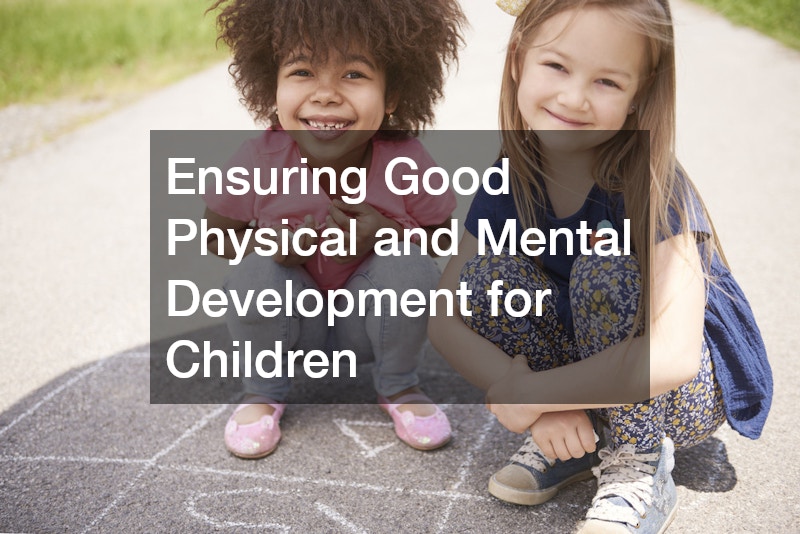

Childhood is a transformative period marked by rapid neurological growth, physical refinement, and emotional discovery. Parents, educators, and guardians play a vital role in shaping environments that allow young minds and bodies to flourish. Supporting holistic development requires a deliberate balance between structured educational frameworks, vigorous physical outlets, healthy nutritional habits, and emotionally supportive home environments. When adults approach child-rearing with intentionality, children develop the resilience, curiosity, and capability needed to navigate an increasingly complex world.
Modern developmental science emphasizes that physical and psychological growth are deeply interconnected. Physical activity stimulates neural connections that enhance cognitive processing, while strong emotional security gives children the confidence to explore new physical skills and social landscapes. By understanding how these domains support one another, families can create everyday routines that build both physical vitality and mental fortitude. From foundational early learning to specialized middle school instruction and organized athletics, every choice contributes to a child’s overall well-being.
Foundations of Early Nurturing
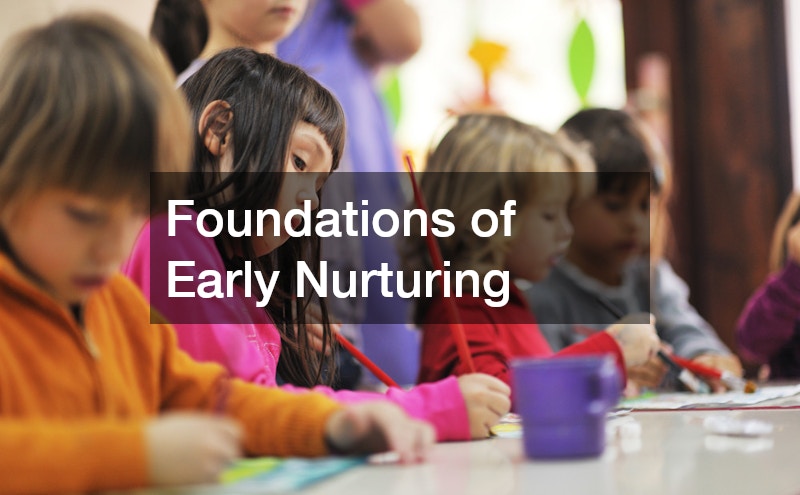
The initial years of life represent a unique window of opportunity where the brain creates billions of neural connections every second. Providing rich, responsive environments during this period establishes the architecture for all future learning, behavior, and physical health.
Selecting High-Quality Infant and Toddler Services
Families seeking foundational support for their youngest members must evaluate settings based on safety, adult-to-child ratios, and staff responsiveness. High-quality child care ensures that infants and toddlers receive the individual attention required for secure attachment, which is the cornerstone of emotional regulation. When caregivers respond promptly and warmly to a child’s cues, the child internalizes a sense of safety that reduces chronic stress levels and promotes healthy brain development.
Beyond emotional support, early care environments should offer varied sensory experiences and physical exploration opportunities. Clean, spacious play areas with age-appropriate climbing structures, soft mats, and textured objects encourage motor skill development. Parents evaluating options should observe whether caregivers actively engage children in conversation, reading, and non-directed play, as these interactions significantly boost early language acquisition and cognitive curiosity.
Navigating Local Options for Early Education
Finding appropriate educational programs close to home reduces daily stress for families while ensuring young learners receive structured socialization. Searching for private preschools near me allows parents to identify community-based centers that align with their family values and educational philosophy. Proximity enables consistent attendance and makes it easier for parents to participate in school events, creating a unified network of support around the child.
When visiting local centers, observe how teachers guide behavior and foster cooperation among peers. Effective programs use positive reinforcement and gentle redirection rather than punitive measures. They also maintain a predictable daily routine that balances quiet activities, such as story time and puzzles, with vigorous outdoor play. This balanced structure helps young children transition smoothly between rest and activity, teaching them self-regulation.
Maximizing Learning Outcomes in Early Childhood Settings
The structured curriculum provided during the toddler and Pre-K years builds essential pre-literacy, numeracy, and social competencies. Enrolling young learners in early childhood education helps lay a robust foundation for kindergarten readiness and long-term academic success. At this stage, learning occurs most naturally through play-based exploration, hands-on activities, and interactive storytelling.
Effective early education centers incorporate music, art, and manipulative toys to help young learners grasp abstract concepts through tactile experiences. Group activities teach children how to share resources, take turns, and express their feelings verbally. These initial social experiences reduce anxiety around school attendance and help children build empathy, setting the stage for positive peer relationships in the years ahead.
Cultivating Cognitive and Academic Growth
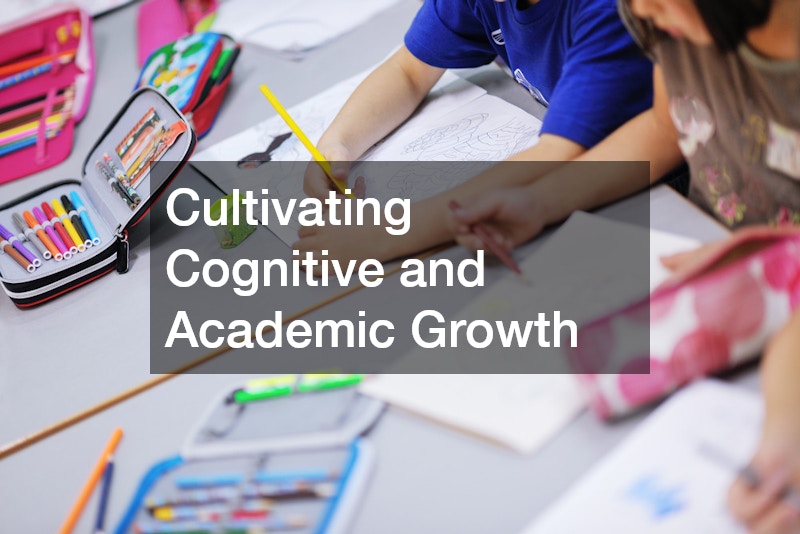
As children transition from early childhood into middle childhood, their intellectual needs become more complex. Fostering a love for learning requires an environment that challenges their intellect while providing necessary instructional support.
Evaluating Academic Rigor and Educational Standards
When selecting primary and secondary institutions, families often prioritize environments that offer challenging coursework alongside individualized instruction. Educational institutions featuring strong academic programs foster critical thinking, analytical reasoning, and creative problem-solving skills across diverse subject areas. Look for schools that integrate STEM fields with the humanities, giving students a well-rounded foundation.
Inquire about class sizes and teacher qualifications when assessing academic quality. Smaller class sizes allow educators to tailor their teaching methods to individual learning styles, ensuring that struggling students receive timely intervention while advanced learners remain engaged. A robust academic environment also emphasizes project-based learning, encouraging students to apply theoretical knowledge to real-world problems.
Advantages of Independent Educational Institutions
Many families consider non-public institutions to gain access to specialized curricula, lower student-to-teacher ratios, and distinct educational philosophies. Choosing private schools often gives parents greater control over the specific values, languages, or specialized arts and science programs integrated into their child’s daily learning. These settings frequently offer enhanced facilities, such as advanced science labs, dedicated art studios, and expansive libraries.
Beyond physical resources, independent schools often foster tight-knit communities where parents, teachers, and administrators collaborate closely. This strong home-school partnership creates a supportive safety net for children, ensuring that academic or behavioral challenges are identified and addressed early. Furthermore, the cohesive community feel can give children a profound sense of belonging, which directly supports their mental well-being.
Fostering Cognitive Resilience in Pre-Adolescence
The middle school years bring significant cognitive and emotional shifts as children begin to form independent identities and grapple with abstract concepts. Enrolling pre-teens in private middle schools offers structured support during this delicate transitional phase, shielding them from the anonymity that sometimes occurs in larger public middle schools. Dedicated middle school educators understand adolescent brain development and tailor their instructional strategies accordingly.
During these pre-adolescent years, schools should emphasize executive function skills, including organization, time management, and goal setting. Encouraging students to manage multi-step projects, participate in debate, and engage in collaborative research helps them develop metacognitive abilities—learning how to learn. When pre-teens feel academically capable and personally supported, their confidence flourishes, protecting them against the emotional turbulence often associated with adolescence.
Fostering Physical Health and Motor Skills
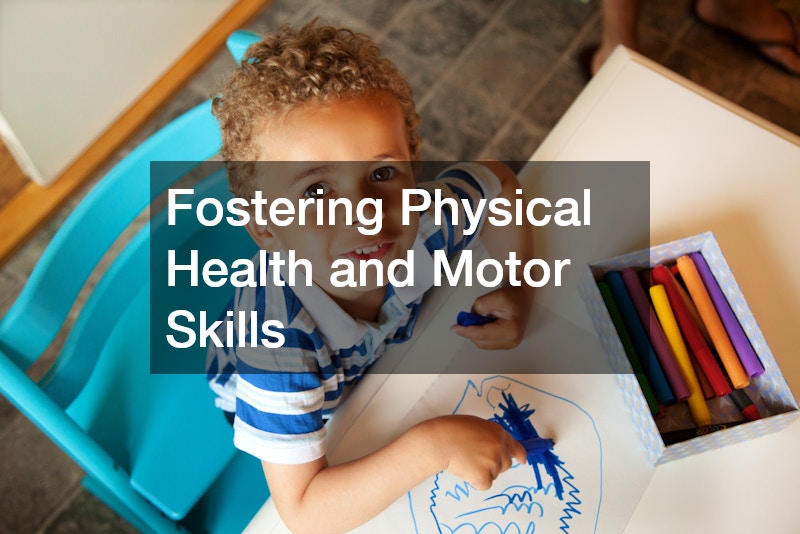
Physical health is the foundation upon which mental clarity and emotional stability rest. Children need daily opportunities to challenge their bodies, develop fine and gross motor skills, and build lifelong habits of physical activity.
Enhancing Agility, Balance, and Coordination
Structured physical training that emphasizes flexibility and body control offers tremendous benefits for growing children. Registering young individuals for recreational gymnastics builds fundamental motor skills, core strength, and spatial awareness that translate to virtually all other sports. Learning to roll, balance on narrow beams, and navigate obstacle courses teaches children how their bodies move through space.
In addition to physical strength, gymnastics fosters psychological resilience. Children learn to overcome fear when attempting new maneuvers, and they experience the direct correlation between effort, practice, and skill mastery. To support your child in this discipline, focus on celebrate non-outcome goals, such as attempting a difficult movement with good form, rather than focusing solely on perfect performance.
Building Discipline, Focus, and Self-Defense Skills
Martial arts offer a unique blend of physical exertion, mental discipline, and character education. Enrolling children in karate classes for kids teaches self-control, respect for authority, and sustained concentration through structured forms and controlled sparring. The traditional belt ranking system provides clear, achievable milestones that teach children the value of perseverance and incremental progress.
The mental discipline learned on the mat directly transfers to the classroom and home environment. Martial arts emphasize breathing techniques, mindfulness, and emotional regulation, helping children maintain composure under stress or frustration. Parents should encourage their children to view martial arts not as a means of conflict, but as a practice for personal development and self-mastery.
Promoting Daily Physical Activity and Outdoor Play
Beyond organized sports, children require unstructured, free play outdoors to thrive physically and mentally. Encourage at least sixty minutes of moderate-to-vigorous physical activity daily through unstructured neighborhood games, bike riding, or family hikes. Outdoor movement exposes children to natural sunlight, which helps regulate circadian rhythms, improves sleep quality, and boosts mood through the release of endorphins.
Free play also stimulates creativity and executive functioning as children negotiate rules, invent games, and manage risk independently. Create screen-free outdoor zones and set aside dedicated time on weekends for family outdoor activities. When parents model an active lifestyle, children naturally adopt positive attitudes toward fitness and physical health.
Prioritizing Mental and Emotional Well-being
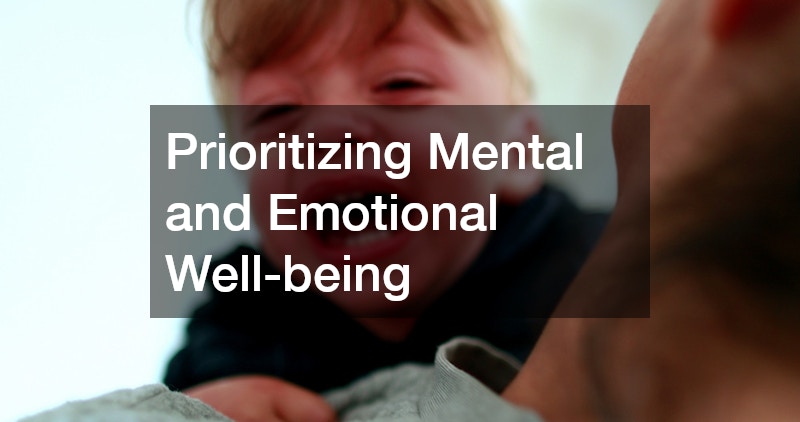
A child’s physical and academic development cannot occur in isolation from their mental health. Creating a safe, emotionally responsive environment enables children to process stress, build healthy self-esteem, and form meaningful relationships.
Nurturing Emotional Intelligence and Self-Regulation
Emotional intelligence—the ability to identify, understand, and manage one’s own emotions—is a stronger predictor of long-term success and happiness than IQ alone. Parents and caregivers can cultivate this capacity by validating children’s feelings rather than dismissing them. Labeling emotions helps children transition from reactive tantrums to verbal communication.
-
Teach deep breathing exercises, such as belly breathing or box breathing, to help children calm their nervous systems during moments of high frustration or anxiety.
-
Model emotional self-regulation by staying calm during challenging situations and explicitly talking through your own coping mechanisms in real time.
-
Create a dedicated quiet space at home equipped with soft pillows, books, and sensory toys where children can voluntarily go to decompress when feeling overwhelmed.
Creating Safe and Structured Home Environments
Children thrive on predictability, routine, and clear boundaries. A structured home environment provides a psychological safety net that minimizes anxiety and behavioral issues. Establish consistent daily schedules for meals, homework, screen time, and sleep, using visual charts for younger children to build independence.
Boundary setting should be paired with warmth and open communication. Authoritative parenting—combining high expectations with high emotional responsiveness—yields the best outcomes for children’s self-esteem and social competence. Involve children in setting household rules and age-appropriate chores, which instills a sense of responsibility and personal investment in the family unit.
Supporting Social Connection and Peer Relationships
Healthy peer relationships are essential for developing social competence, empathy, and conflict resolution skills. Provide regular opportunities for children to interact with diverse peer groups through neighborhood play, community clubs, and extracurricular activities. Host playdates and encourage collaborative activities that require teamwork and communication.
When peer conflicts arise, guide children through constructive resolution strategies rather than resolving the issues for them. Encourage them to use clear statements to express their perspective and actively listen to the other person’s point of view. Teaching children how to navigate disagreement gracefully builds social resilience and protects against feelings of isolation or peer rejection.
The Role of Nutrition and Rest in Development
Physical growth and cognitive function depend directly on the biological fuel children receive. Proper nutrition and adequate sleep are foundational pillars that sustain daily energy, mood stability, and neurological development.
Optimizing Daily Nutritional Quality
A growing body relies on nutrient-dense foods to fuel rapid physical expansion and brain maturation. Prioritize whole foods, including fresh fruits, vegetables, lean proteins, whole grains, and healthy fats, while minimizing processed sugars and artificial additives. Proper nutrition directly influences cognitive stamina, attention span, and emotional regulation throughout the school day.
-
Include omega-3 fatty acids from sources like salmon, walnuts, and flaxseeds to support optimal brain cell structure and cognitive processing speed.
-
Offer balanced snacks combining protein and complex carbohydrates, such as apple slices with peanut butter, to maintain stable blood sugar levels and avoid energy crashes.
-
Involve children in meal planning and preparation to build healthy culinary habits and increase their willingness to try nutrient-dense foods.
Prioritizing Sleep and Restorative Routines
Sleep is not passive downtime; it is an active state of cellular repair, memory consolidation, and growth hormone release. Chronic sleep deprivation in children manifests as irritability, difficulty concentrating, behavioral challenges, and weakened immune function. School-aged children generally require nine to twelve hours of quality sleep per night, while younger children need even more.
Establish a relaxing, screen-free wind-down routine starting one hour before bed. Activities such as warm baths, light stretching, and reading together signal to the brain that it is time to produce melatonin. Keep electronics out of the bedroom overnight, as the blue light emitted from screens disrupts natural sleep architecture and prevents deep, restorative rest.
Integrating Early Care and Education Services
Ensuring continuous, comprehensive support throughout a child’s formative years requires coordinating home routines with external educational and care providers. A seamless approach ensures that physical, cognitive, and social development are supported consistently across all environments.
Choosing Comprehensive Early Childhood Options
Parents searching for early care should look for centers that integrate academic preparation with social-emotional learning and health services. Utilizing all-inclusive daycare solutions allows working parents to balance professional responsibilities while ensuring their children receive structured enrichment in a secure setting. High-quality centers offer nutritious meals, supervised play, and intentional learning activities within a single environment.
When selecting a center, inquire about their approach to developmental screenings and family communication. Programs that regularly track physical, speech, and social milestones can identify potential delays early, allowing for timely intervention. Open lines of communication between caregivers and parents ensure that strategies used at home are reinforced in the care setting, creating a consistent environment for the child.
Utilizing Specialized Early Childhood Programs
Structured early childhood centers offer specialized curricula tailored to distinct developmental stages, bridging the gap between home care and formal elementary education. Selecting full-time preschool services helps young children adapt to structured group dynamics, follow multistep instructions from non-parental adults, and manage transition times between activities.
These specialized services often include enrichment activities such as music therapy, introductory foreign language exposure, and structured physical education. By exposing young children to diverse activities in a supportive setting, parents help them discover their interests and build a broad foundation of foundational skills. This holistic preparation simplifies the eventual transition to elementary school, setting a positive trajectory for lifelong learning.
Ensuring good physical and mental development for children is a multifaceted, ongoing commitment that evolves as a child grows. By integrating intentional physical activity, rigorous and supportive educational environments, balanced nutrition, and deep emotional security, parents and educators create an ideal foundation for long-term health and success. Every proactive choice made during these early and middle childhood years yields lifelong benefits, equipping the next generation with the physical vitality, intellectual curiosity, and emotional strength needed to thrive in an ever-changing world.