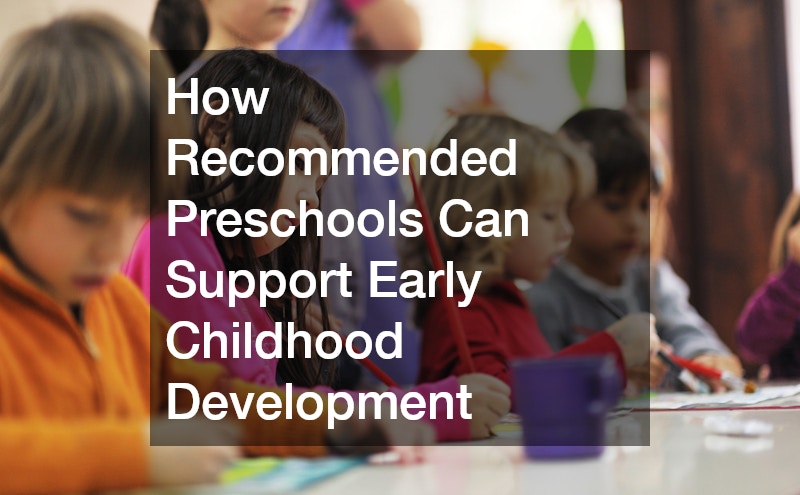
The first years of a child’s life involve rapid brain development that establishes the foundation for all future cognitive and emotional learning.
Play-based educational environments effectively drive academic readiness by allowing children to explore complex concepts through natural, hands-on activities.
High-quality early childhood programs nurture the whole child by integrating cognitive challenges, structured socialization, and crucial emotional regulation techniques.
Continuous, responsive interactions between caregivers and children are biologically necessary for building strong neural pathways and ensuring emotional stability.
Thoughtfully designed classrooms with accessible learning stations and sensory-rich areas act as secondary teachers that encourage independent exploration.
Investing in early education yields significant long-term societal benefits, cultivating highly adaptable individuals who are prepared for modern professional challenges.
Why Are the First Years Crucial for Lifelong Learning?
The first years of a child’s life are crucial for lifelong learning because the brain undergoes its most rapid period of growth, establishing the foundation for all future cognitive and emotional abilities. By leading with this core journalistic fact, parents and educators understand why early intervention matters so much.
Recommended preschools take advantage of this critical window by providing stimulating environments that build strong neural connections. When young children are exposed to language, problem-solving tasks, and cooperative play, their developing brains are actively sculpted for success. According to the Centers for Disease Control and Prevention, early experiences shape brain development and can have lifelong effects on a child’s health and ability to learn. Recognizing this biological reality shifts the focus from simple childcare to structured educational enrichment. The quality of care a child receives in these formative years dictates how well they will adapt to formal schooling later on. Therefore, choosing an environment that deliberately fosters cognitive milestones is an essential step in securing a child’s future academic trajectory.
How Do Play-Based Environments Drive Academic Readiness?
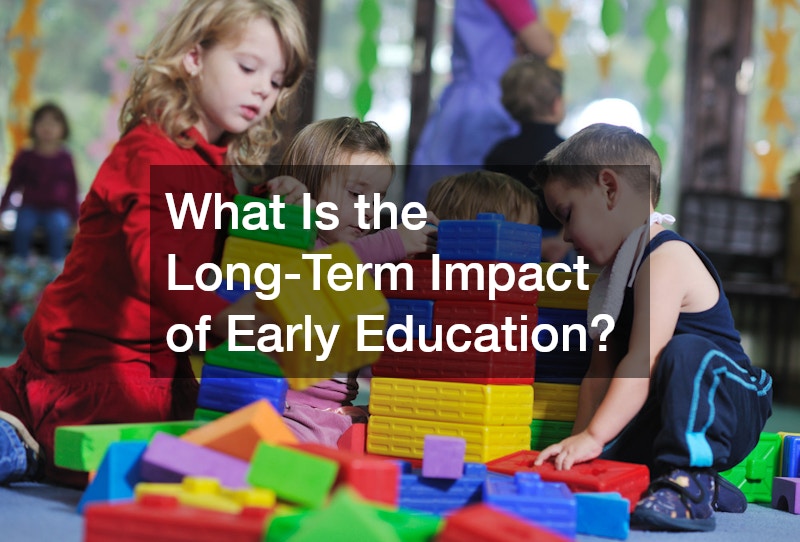
Play-based environments drive academic readiness by allowing children to naturally explore concepts like math and literacy through engaging, hands-on activities rather than rigid instruction. While traditional schooling heavily emphasizes direct teaching, early childhood experts agree that young learners absorb information best when they are actively playing. In recommended preschools, a simple block-building session is actually an introductory lesson in spatial awareness and basic engineering. Social dramatic play, where children pretend to be doctors or shopkeepers, rapidly expands their vocabulary and teaches them to negotiate roles with peers. The Institute of Education Sciences notes that play-based learning is highly effective for teaching academic content and developing critical twenty-first-century skills like collaboration and creative innovation. By embedding learning into joyful activities, educators reduce the stress associated with performance and assessment. Children become intrinsically motivated to discover how the world works, transforming into enthusiastic lifelong learners. Consequently, prioritizing play over rote memorization ensures that students build a resilient, positive relationship with education before entering kindergarten.
What Core Benefits Do High-Quality Programs Provide?
High-quality programs provide exceptional benefits by integrating structured socialization, cognitive challenges, and emotional regulation techniques into a single, cohesive daily routine. These environments are specifically engineered to nurture the whole child.
Emotional Resilience: Consistent routines and caring teachers help young learners manage frustration, navigate separation anxiety, and build self-confidence in unfamiliar settings.
Language Expansion: Constant exposure to storytelling, singing, and peer conversations drastically increases vocabulary and early phonological awareness.
Motor Skill Refinement: Daily activities like painting, cutting, and outdoor climbing develop both the fine and gross motor skills required for writing and physical health.
Conflict Resolution: Guided peer interactions teach children how to share resources, take turns, and resolve minor disputes using words instead of aggressive behaviors.
By delivering these core advantages simultaneously, educators ensure that no aspect of developmental progress is overlooked. Parents who prioritize well-rounded early education often see immediate improvements in how their children interact with the broader world.
How Does Caregiver Interaction Shape Neural Architecture?
Caregiver interaction shapes neural architecture through continuous serve-and-return communication, where a child’s babbles, gestures, or words are met with responsive and supportive attention. This dynamic exchange is fundamentally necessary for building strong cognitive pathways. When educators actively listen and respond to young children, they are literally helping to wire the brain for complex thought and emotional stability. Without these reciprocal interactions, brain architecture does not develop as expected, potentially leading to long-term learning deficits. According to Harvard University’s Center on the Developing Child, responsive serve-and-return interactions are essential for supporting healthy brain development, as simple neural connections develop first before forming more complex circuits. Highly trained teachers understand how to initiate and sustain these interactions throughout the school day. Whether reading a book or comforting a distressed toddler, these intentional responses validate the child’s experiences. Ultimately, a nurturing social environment heavily bolsters cognitive function, proving that academic growth is deeply intertwined with emotional safety.
Which Specific Features Indicate a Supportive Classroom?
A supportive classroom is indicated by a variety of distinct features, including low student-to-teacher ratios, diverse learning materials, and a layout that encourages independent exploration. Parents assessing potential programs should look closely at how the physical space functions.
Accessible Learning Stations: Classrooms should feature low shelves with clearly organized materials, allowing children to independently select and return their chosen activities.
Diverse Representation: Books, toys, and visual displays must reflect various cultures, abilities, and family structures, ensuring every child feels a sense of belonging.
Sensory-Rich Areas: Dedicated quiet corners with soft seating and tactile objects provide necessary spaces for children who become overstimulated and need to self-regulate.
Outdoor Integration: Access to safe, engaging outdoor play spaces ensures that gross motor development and nature-based learning remain daily priorities.
When these elements are combined, the classroom itself acts as a secondary teacher. Thoughtful environmental design significantly reduces behavioral issues because children remain engaged, comfortable, and appropriately challenged throughout their daily routines.
What Is the Long-Term Impact of Early Education?
The long-term impact of early education is the cultivation of highly adaptable, socially competent individuals who consistently outperform their peers in both academic and professional settings. To conclude, investing heavily in a child’s formative years pays dividends that extend far beyond their time in the classroom. High-quality early learning environments lay a formidable foundation for emotional intelligence, problem-solving, and civic responsibility. When communities support robust early childhood initiatives, they effectively reduce future rates of high school dropout, unemployment, and systemic poverty. The methodologies implemented in these classrooms equip young learners with the resilience required to handle the inevitable stressors of modern life. Parents and policymakers alike must recognize that early childhood is not merely a waiting period before formal schooling, but rather the most critical phase of human development. Ensuring universal access to these vital programs is fundamentally necessary for building a stronger, more capable future generation. Ultimately, providing children with a joyful, enriching start guarantees they step into the world with enduring confidence.