

Planning for the later stages of life is not always easy, but it is one of the most important steps a family can take to ensure clarity, stability, and peace of mind. When decisions are made in advance, families are better equipped to handle emotional moments without the added pressure of urgent logistical choices. Instead of reacting to circumstances as they arise, they can move forward with a clear understanding of expectations, responsibilities, and personal wishes.
Understanding the Importance of End-Of-Life Planning

Why Early Preparation Reduces Stress for Families
Planning ahead for end-of-life care and arrangements is one of the most practical ways families can reduce uncertainty during emotionally difficult times. When decisions are made early, loved ones are not left guessing about preferences or scrambling to coordinate care under pressure. Instead, they can focus on providing comfort and support, knowing that key details have already been considered.
Early preparation also allows individuals to communicate their values clearly. Whether those priorities center on maintaining independence, minimizing financial burden, or ensuring specific personal wishes are honored, documenting them in advance removes ambiguity. Families benefit from a shared understanding, which can prevent disagreements and foster a more unified approach when the time comes to act.
Emotional and Practical Benefits of Having a Plan in Place
Beyond logistics, planning offers emotional reassurance. It gives individuals a sense of control over their future and provides families with confidence that they are honoring those wishes. Practical benefits include better coordination of care, fewer last-minute expenses, and improved access to preferred services or providers.
Financial predictability is another major advantage. Costs associated with long-term care, services, and final arrangements can add up quickly. When these elements are addressed proactively, families are more likely to avoid rushed decisions that may not align with their financial capabilities.
Common Misconceptions About End-Of-Life Arrangements
Many people believe planning is only necessary later in life, but unexpected health changes can occur at any stage. Others assume that verbal discussions are enough, when in reality, written documentation is essential for clarity and legal standing.
There is also a misconception that planning limits flexibility. In truth, it creates a framework that can be adjusted over time. Preferences may evolve, but having a foundation in place ensures that changes can be made thoughtfully rather than reactively.
Recognizing When Additional Care Is Needed
Signs That a Loved One May Require Daily Assistance
Recognizing when additional support is necessary is a critical step in ensuring safety and well-being. Subtle changes often appear first, such as difficulty managing household tasks, missed medications, or increased forgetfulness. Over time, these signs may become more pronounced, including mobility challenges or changes in personal hygiene.
Family members should also pay attention to emotional indicators. Withdrawal from social activities, increased anxiety, or confusion may signal the need for closer supervision or structured support.
Evaluating Physical, Cognitive, and Emotional Health Changes
A comprehensive evaluation involves looking at physical health, cognitive function, and emotional stability together. Medical professionals can provide assessments, but families often notice day-to-day changes first. Keeping a record of these observations can help guide informed decisions.
Understanding the full scope of needs allows families to explore appropriate solutions. For some, minimal assistance may be sufficient, while others may require more comprehensive care.
How to Start Conversations About Care Needs
Initiating conversations about care can be challenging, especially when independence is a sensitive topic. The most effective approach is to focus on safety and quality of life rather than limitations.
Choosing a calm, private setting and involving the individual in decision-making can make discussions more productive. When approached with empathy and respect, these conversations often lead to better outcomes and stronger family collaboration.
Exploring In-Home Support Options
Types of Non-Medical and Medical Care Available at Home
For many families, maintaining care at home is a preferred option. Services range from companionship and assistance with daily activities to skilled medical care provided by licensed professionals. These options can be tailored to meet varying levels of need.
Hiring an in home caregiver allows individuals to remain in a familiar environment while receiving personalized support. This can include help with bathing, meal preparation, medication reminders, and mobility assistance.
How to Evaluate Caregivers and Service Providers
Selecting the right provider requires careful evaluation. Families should consider credentials, experience, and references, as well as compatibility with the individual receiving care. Clear communication about expectations and responsibilities is essential from the start.
Background checks and agency oversight can provide additional reassurance. It is also helpful to establish regular check-ins to ensure that care remains consistent and effective over time.
Balancing Independence With Safety and Supervision
One of the primary goals of home-based care is preserving independence while addressing safety concerns. This balance can be achieved by gradually increasing support as needs evolve.
Adaptive equipment, home modifications, and structured routines can further enhance safety without compromising autonomy. Families who take a proactive approach often find that home care remains a viable option for longer periods.
Transitioning to Specialized Care Environments
Differences Between Independent Living and Supportive Care Settings
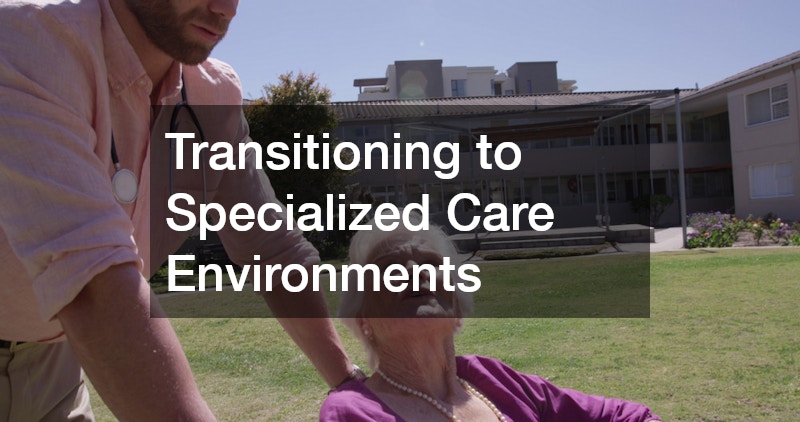
When home care is no longer sufficient, transitioning to a structured environment may become necessary. Options vary widely, from communities that offer minimal assistance to those providing comprehensive support.
Facilities offering assisted living typically focus on helping residents with daily activities while encouraging independence. These environments often include social opportunities, dining services, and access to basic healthcare support.
What Families Should Look for When Touring Facilities
Touring potential locations is a critical step in the decision-making process. Families should evaluate cleanliness, staff responsiveness, and the overall atmosphere. Observing interactions between staff and residents can provide valuable insight into the quality of care.
It is also important to review service offerings, costs, and policies. Understanding what is included—and what may require additional fees—helps families make informed comparisons.
How to Plan Financially and Emotionally for the Transition
Moving into a care facility can be emotionally challenging for both individuals and their families. Preparing for this transition involves open communication, realistic expectations, and ongoing support.
Financial planning is equally important. Costs can vary significantly depending on location and level of care, so having a clear budget and exploring available resources can ease the process.
Supporting Loved Ones With Cognitive Decline
Understanding Progressive Memory-Related Conditions
Cognitive decline can present unique challenges that require specialized attention. Conditions affecting memory, reasoning, and behavior often progress over time, making early planning essential.
Programs focused on memory care are designed to provide structured environments that prioritize safety and routine. These settings are equipped to address the specific needs associated with cognitive impairment.
Creating Safe and Structured Daily Routines
Consistency is key when supporting individuals with memory-related conditions. Establishing predictable routines can reduce confusion and anxiety while promoting a sense of stability.
Simple adjustments, such as clear labeling, organized living spaces, and scheduled activities, can make a significant difference in daily functioning.
Resources Available for Families and Caregivers
Families often benefit from accessing support groups, educational materials, and professional guidance. These resources can provide practical strategies and emotional support throughout the caregiving journey.
Understanding available options empowers families to make decisions that align with their loved one’s needs while maintaining their own well-being.
Managing Logistics During Major Life Transitions
Coordinating Downsizing and Relocation Efforts
Major transitions often involve downsizing or relocating, which can be both physically and emotionally demanding. Sorting through belongings and deciding what to keep, donate, or discard requires time and careful consideration.
Professional moving companies can assist with packing, transportation, and setup, helping to streamline the process and reduce stress for families.
Organizing Belongings and Important Documents
Keeping important documents accessible is essential during transitions. This includes medical records, financial statements, and legal paperwork. Creating a centralized system ensures that critical information is readily available when needed.
Labeling and categorizing items can also simplify the moving process and make it easier to settle into a new environment.
Reducing Stress During Significant Household Changes
Planning ahead and breaking tasks into manageable steps can make transitions more manageable. Enlisting help from family members or professionals can further ease the burden.
Maintaining open communication throughout the process helps ensure that everyone involved feels informed and supported.
Financial Preparation and Professional Guidance
Organizing Assets, Debts, and Financial Records
A clear understanding of financial standing is essential for effective planning. This includes documenting assets, liabilities, income sources, and recurring expenses. Having this information readily available allows for more accurate budgeting and decision-making.
When to Seek Professional Financial Advice
Consulting a financial professional can provide valuable insights into managing costs and maximizing available resources. A local accountant can help families navigate tax considerations, budgeting strategies, and financial planning related to care and end-of-life arrangements.
Budgeting for Both Short-Term Care and Long-Term Needs
Creating a comprehensive budget involves considering both immediate expenses and future costs. This includes care services, housing, and final arrangements.
By planning ahead, families can avoid unexpected financial strain and ensure that resources are allocated effectively.
Legal Considerations and Estate Preparation
Key Legal Documents Every Family Should Have in Place
Legal preparation is a cornerstone of end-of-life planning. Essential documents may include wills, powers of attorney, and healthcare directives. These documents provide clear instructions and designate decision-makers when individuals are unable to act on their own behalf.
Assigning Decision-Making Authority and Responsibilities
Selecting trusted individuals to handle financial and medical decisions is a critical step. These roles should be clearly defined to avoid confusion or conflict.
Open communication about responsibilities ensures that those chosen understand their duties and are prepared to act when necessary.
Ensuring Wishes Are Documented and Enforceable
Comprehensive estate planning ensures that an individual’s wishes are honored and legally recognized. This process may involve working with legal professionals to create or update documents as circumstances change.
Proper documentation provides peace of mind and reduces the likelihood of disputes among family members.
Planning Meaningful End-Of-Life Services
Personalizing Ceremonies to Reflect a Loved One’s Life
End-of-life services provide an opportunity to honor and celebrate a person’s life. Personalization can include meaningful music, readings, or cultural traditions that reflect the individual’s values and experiences.
A well-planned funeral can offer comfort to those grieving while creating a space for shared remembrance.
Understanding Available Service Options and Traditions
There are many options available when planning services, ranging from traditional ceremonies to more contemporary approaches. Understanding these options allows families to choose arrangements that align with their preferences and beliefs.
Some families may also incorporate flag services into the ceremony, particularly when honoring individuals with military backgrounds.
Coordinating Details With Service Providers
Working with experienced professionals can simplify the planning process. Service providers can assist with logistics, documentation, and coordination, ensuring that all elements come together smoothly.
Clear communication and early planning help avoid last-minute complications and ensure that the service reflects the intended vision.
Creating Lasting Memorials and Tributes

Options for Permanent Markers and Memorialization
Memorials serve as lasting tributes that honor a loved one’s legacy. Options range from traditional markers to more personalized designs that reflect individual preferences. Selecting a headstone involves considering materials, inscriptions, and long-term maintenance requirements.
Maintaining and Preserving Memorial Sites Over Time
Ongoing care is important to preserve the appearance and integrity of memorial sites. Techniques such as monument sandblasting can be used to restore inscriptions and maintain clarity over time. Regular maintenance ensures that memorials remain a respectful and enduring tribute.
Honoring Legacy Through Family Traditions and Remembrance
Families often create traditions to keep memories alive, such as annual gatherings or shared stories. These practices provide a sense of continuity and connection across generations. By combining thoughtful planning with meaningful remembrance, families can create lasting tributes that honor both the individual and their impact on others.
End-of-life planning provides families with a clear path forward during one of life’s most challenging periods, replacing uncertainty with structure and intention. By addressing care preferences, financial considerations, legal responsibilities, and personal wishes ahead of time, individuals can ensure their values are respected while easing the burden on loved ones. This proactive approach not only minimizes stress and potential conflict but also creates space for families to focus on support, connection, and remembrance, making a difficult transition more manageable and meaningful.